
Top Sustainable Fashion Choices for a Greener Future: Eco-Friendly Fabric Options
- Briggs Gibbins

- Mar 19
- 5 min read
When it comes to outfitting your team or event staff, the choices you make can have a big impact—not just on your brand image but on the planet too. If you’re like me, you want your apparel to look sharp, feel great, and also be kind to the environment. That’s where eco-friendly fabric options come into play. They’re not just a trend; they’re a smart, responsible choice that aligns with growing consumer expectations and environmental needs.
Let’s dive into some of the best eco-friendly fabric options and how they can help your business or event make a greener statement without compromising on quality or style.
Why Choose Eco-Friendly Fabric Options?
You might be wondering, “Why should I care about eco-friendly fabrics?” Well, here’s the deal: traditional textile production is one of the most resource-intensive industries out there. It guzzles water, pumps out greenhouse gases, and often involves harmful chemicals. By switching to eco-friendly fabrics, you’re reducing your carbon footprint and supporting a healthier planet.
Plus, these fabrics often come with added benefits like durability, comfort, and unique textures that can make your branded apparel stand out. Imagine your team rocking custom tees made from organic cotton or recycled polyester—talk about a conversation starter!
Here are some key reasons to consider eco-friendly fabrics:
Lower environmental impact: Less water, energy, and chemicals used.
Better for workers: Often produced under fair labor conditions.
High quality: Many eco fabrics are soft, breathable, and long-lasting.
Brand alignment: Shows your commitment to responsible business practices.

Organic cotton fabric showcasing its natural texture and softness
Top Eco-Friendly Fabric Options for Your Apparel
Now, let’s get to the good stuff. What are the best eco-friendly fabric options you can choose for your custom branded apparel? Here’s a rundown of some popular and effective choices:
1. Organic Cotton
Organic cotton is grown without synthetic pesticides or fertilizers, which means less pollution and healthier soil. It’s soft, breathable, and perfect for t-shirts, hoodies, and casual wear. Plus, it’s biodegradable, so it won’t hang around in landfills forever.
2. Recycled Polyester
Made from post-consumer plastic bottles or textile waste, recycled polyester reduces the need for virgin petroleum-based materials. It’s durable, moisture-wicking, and great for activewear or outerwear. Using recycled polyester helps keep plastic out of oceans and landfills.
3. Hemp
Hemp is a powerhouse fabric—fast-growing, requires minimal water, and naturally resistant to pests. It’s strong and gets softer with each wash. Hemp blends are fantastic for a rugged, natural look that’s also eco-conscious.
4. Tencel (Lyocell)
Tencel is made from sustainably harvested wood pulp, processed in a closed-loop system that recycles water and solvents. It’s silky smooth, breathable, and biodegradable. Perfect for premium apparel that feels luxurious but is earth-friendly.
5. Linen
Derived from flax plants, linen is another low-impact fabric. It uses less water and pesticides than cotton and is fully biodegradable. Linen’s natural texture and breathability make it ideal for warm-weather uniforms or casual wear.
6. Bamboo
Bamboo grows quickly and doesn’t need much water or pesticides. However, be cautious—some bamboo fabrics are chemically processed, so look for mechanically processed or certified eco-friendly bamboo textiles.
By choosing any of these fabrics, you’re making a conscious decision to support a greener future. And hey, your team will appreciate the comfort and style too!
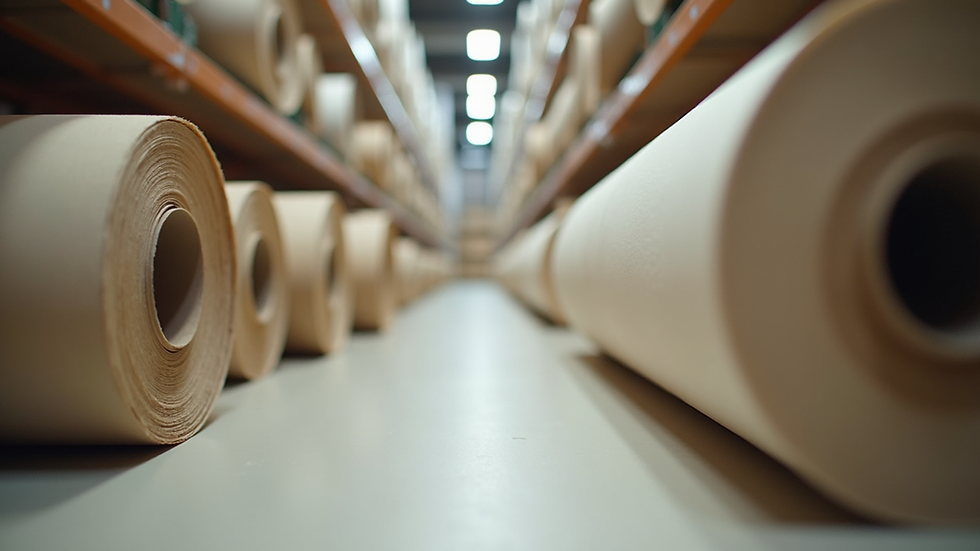
Rolls of various eco-friendly fabrics displayed in a textile store
What is the synonym for sustainable?
If you’re searching for alternatives to the word “sustainable,” you’re not alone. It’s a term that’s everywhere these days, but sometimes it’s nice to mix things up or clarify meaning. Here are some synonyms and related phrases that capture the essence of sustainability in fashion:
Eco-friendly
Environmentally responsible
Green
Renewable
Ethical
Conscious
Low-impact
Regenerative
Resource-efficient
Each of these words highlights a slightly different aspect of what it means to be sustainable. For example, “ethical” often refers to fair labor practices, while “renewable” focuses on materials that can be replenished naturally. When talking about fabric choices, “eco-friendly” and “low-impact” are especially useful.
Using these terms thoughtfully can help you communicate your commitment to the environment in a way that resonates with your audience.
How to Incorporate Eco-Friendly Fabrics into Your Business Apparel
So, you’re sold on eco-friendly fabrics, but how do you actually bring them into your business or event apparel? Here are some practical tips to get you started:
1. Partner with Responsible Suppliers
Look for suppliers who specialize in eco-friendly textiles and have transparent sourcing practices. Ask about certifications like GOTS (Global Organic Textile Standard), OEKO-TEX, or Bluesign to ensure the fabrics meet high environmental and social standards.
2. Choose Quality Over Quantity
Invest in fewer, better-quality pieces that last longer. This reduces waste and saves money in the long run. Durable fabrics like hemp or recycled polyester can withstand repeated wear and washing.
3. Customize Thoughtfully
When designing your branded apparel, consider styles and cuts that maximize fabric use and minimize waste. Simple designs often work best and can be just as eye-catching.
4. Educate Your Team and Customers
Share the story behind your apparel choices. People love to know that their t-shirt or jacket supports a greener future. This can boost morale and brand loyalty.
5. Reuse and Recycle
Encourage your team to care for their apparel properly and consider take-back or recycling programs for worn-out items. This closes the loop and keeps textiles out of landfills.
By following these steps, you’ll not only reduce your environmental impact but also position your brand as a leader in responsible business practices.
The Bigger Picture: Why Your Choices Matter
Choosing eco-friendly fabric options isn’t just about ticking a box or following a trend. It’s about being part of a movement toward a healthier planet and a more ethical industry. The fashion and apparel sector is evolving, and businesses that embrace these changes early will reap the benefits in reputation, customer trust, and long-term sustainability.
Remember, every piece of apparel you order sends a message. When you opt for fabrics that are kind to the earth, you’re showing that your business cares about more than just profits—you care about the future.
So, next time you’re planning custom branded apparel for your team or event, think beyond the logo and colors. Think about the fabric, the story, and the impact. Your choices can help create a greener future—one shirt at a time.
If you want to explore more about how to make your apparel choices truly sustainable, feel free to reach out. Together, we can create custom apparel that looks great and does good.
Happy eco-friendly shopping!


Comments